Reviewing the "I'm a Cake Person" Baking SVG for Embroidery
As an embroidery designer who spends more time staring at stitch maps than I do sleeping, I approach every new digital embroidery file with a mix of curiosity and skepticism. We have all been there: you download a cute graphic, load it onto your machine, and watch in horror as the thread nests into a bird’s nest because the density was all wrong or the details were too fine for the fabric. Today, I am taking a close look at the Baking Quote SVG I m a Cake Person. While this asset is marketed broadly across Crafts and Graphics for use on wood signs, mugs, and tumblers, my interest lies strictly in how it translates to thread and fabric.
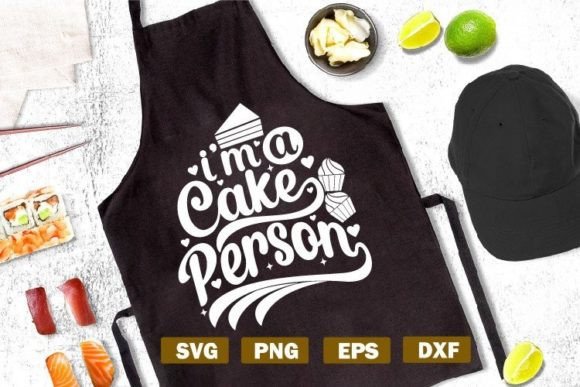
The first impression of this design is one of playful warmth. The phrase "I'm a cake person" carries an immediate personality—it is self-deprecating, sweet, and relatable. Visually, the typography tends to lean towards rounded, friendly fonts that mimic the softness of frosting. For an embroidery project, this is a double-edged sword. Rounded letters are generally forgiving, but if the original SVG relies on thin, delicate strokes to achieve that handwritten look, we need to be careful. In my experience, designs intended for vinyl cutting often lack the structural integrity needed for satin stitches unless they are significantly widened.
Real-World Application: The Custom Apron Test
To truly evaluate this machine embroidery design, I imagined a specific real-life scenario. A client wants a custom apron for a local bakery owner who loves to joke about her sweet tooth. This is a classic use case for commercial embroidery where the product needs to be durable, washable, and visually striking. The Baking Quote SVG I m a Cake Person fits this narrative perfectly. It is not just a decoration; it is a conversation starter.
When placing this design on a cotton twill apron, the layout becomes critical. Because the quote is likely horizontal, it works best centered on the bib or along the bottom hem. However, before hitting "start," I always recommend creating a printable mockup to check the scale. If the text is too small, the individual letters might merge together, especially if you are using a fill stitch for the body of the letters. For apparel like this, I prefer a combination of techniques. Using a satin stitch for the border of the letters can give them a crisp, professional definition, while a lighter fill inside keeps the fabric from becoming stiff and board-like.
Navigating Fabric and Stitch Challenges
One of the biggest hurdles when converting SVG cut files into embroidery assets is understanding stitch density. Vinyl cutters do not care if a line is 0.5mm wide; embroidery machines do. If you are using this design on a tote bag design made of canvas, you have more leeway. Canvas can handle higher density and heavier threads. However, if you are attempting sweatshirt embroidery on a fleece or French terry fabric, you must proceed with caution.
Fleece has a tendency to sink under heavy stitching. If the Baking Quote SVG I m a Cake Person has intricate loops in letters like "g" or "p," those areas can get lost in the pile of the fabric. In these cases, I strongly advise using a topping stabilizer. This clear film sits on top of the fabric, keeping the stitches floating above the texture rather than sinking into it. Additionally, for stretchy fabrics like those used in custom apparel or baby embroidery items, a cut-away stabilizer is non-negotiable. You want the design to move with the garment, not pull against it.
Another consideration is the hoop size. If you are working with a 4x4 inch hoop, you may need to resize the design significantly. Always check the aspect ratio. Distorting the width or height of the text can make the letters look squat or stretched, ruining the aesthetic balance. I recommend testing the design on scrap fabric first. This simple step saves hours of frustration. Check the thread tension and ensure that the thread colors you have chosen provide enough contrast against the fabric. A white thread on a cream apron might look elegant in theory but disappear in practice.
Commercial Viability for Etsy Sellers and Makers
For the Etsy seller or small shop product creator, this design offers versatility. It appeals to a broad demographic: bakers, foodies, parents, and gift-givers. When creating handmade products for sale, perceived value is everything. A well-executed embroidery job elevates a simple tote bag or tea towel into a boutique item. The key is consistency. If you are selling this as part of a kitchen-themed collection, ensure that the stitch style matches your other design assets.
However, there are limitations to consider. The product description mentions use on wood signs and cards. As an embroiderer, I ignore those applications, but it highlights that this is primarily a vector graphic. This means you, the designer, are responsible for digitizing it properly if it is not already provided as an embroidery-specific file format (like PES, DST, or EXP). If you are buying this as a raw SVG to digitize yourself, pay attention to the corners. Sharp corners in SVGs often need to be rounded slightly in your digitizing software to prevent thread breaks during high-speed stitching.
For holiday embroidery projects, such as Christmas gifts for the family baker, this quote is a winner. It feels personal without being overly sentimental. It works equally well on a personalized gift like a kitchen towel or a more substantial item like a pillow cover. Just remember that curved surfaces, like caps, require specialized handling. The design might need to be arched or split to fit the front panel of a hat correctly.
Final Verdict and Designer Notes
The Baking Quote SVG I m a Cake Person is a charming addition to any crafter’s library, provided it is treated with technical respect. It is not a plug-and-play solution for every fabric type. Here are my final practical notes for anyone planning to use this in their next embroidery project:
- Check the License: Before selling any finished product, confirm whether the license allows for commercial use. Some graphics are for personal use only.
- Test on Scraps: Never run a new design on your final garment without a test piece. Check for puckering and thread breaks.
- Adjust Density: If the design feels too stiff after stitching, reduce the fill density in your digitizing software.
- Contrast is Key: Ensure your thread colors pop against the fabric. High contrast improves readability and visual appeal.
- Stabilize Properly: Match your stabilizer to your fabric. Cut-away for knits, tear-away for wovens, and topping for textured materials.
In conclusion, this design has strong potential for craft business owners looking to expand their kitchenware or apparel lines. It captures a fun, relatable mood that resonates with customers. By paying attention to the technical details of stitch formation and fabric compatibility, you can transform this simple graphic into a high-quality, professional embroidered patch or garment feature that stands out in a crowded market. Happy stitching!